Reading for Pleasure in Prison: Celebrating Roald Dahl Day
English & Maths Partner
Reading is an important part of prison education, but its benefits extend beyond the classroom. Reading for pleasure can help people develop literacy skills, build confidence, support wellbeing and discover new ideas, perspectives and experiences.
These benefits are being highlighted throughout 2026, the National Year of Reading, a nationwide celebration encouraging people of all ages to discover the joy and benefits of reading. For people in prison, creating opportunities to read for enjoyment can be an important part of developing positive reading habits and building confidence around books.
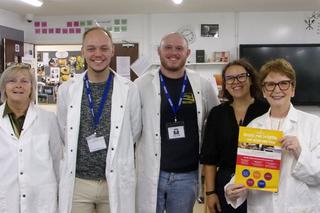
To celebrate Roald Dahl Day on 13 September, learners at HMP Leeds took part in a range of activities designed to encourage reading for enjoyment and help make books a positive part of everyday life.
Why does reading for pleasure matter?
Reading for pleasure means choosing to read because you enjoy it, rather than because you have been asked to complete a task or assessment.
For people in prison, opportunities to read for enjoyment can provide a valuable break from daily routines while also supporting wider personal development. Regular reading can help develop vocabulary, comprehension and critical thinking skills, while stories can stimulate imagination and encourage readers to explore different experiences and viewpoints.
Reading can also provide opportunities for connection. Sharing a book, discussing a story or recommending a favourite character can create conversations and encourage positive relationships around reading.
For learners developing their literacy skills, finding books and stories they genuinely enjoy can also help build confidence and create positive reading habits that continue beyond education sessions.
Celebrating Roald Dahl Day at HMP Leeds
Roald Dahl's stories are known for their memorable characters, humour, adventure and imagination, making his work a useful way to encourage people to engage with reading.
At HMP Leeds, Novus worked collaboratively with colleagues and partners to create a programme of activities celebrating Dahl's work and promoting reading for pleasure.
Encouraging reading across the wings
Shannon Trust organised an on-wing Roald Dahl quiz, as well as a family-focused event through Visits/Jigsaw. The activities provided opportunities to celebrate Dahl's stories while encouraging shared reading experiences between prisoners and their children.
The establishment also hosted a Big Watch, Big Read event, exploring the question: Which is better, the book or the film?
Participants watched and discussed Lamb to the Slaughter. Around 70 prisoners in the MFC were provided with copies of the text, giving them the opportunity to read the story, analyse it and compare it with its screen adaptation.
This type of activity demonstrates how reading can be used to encourage discussion and critical thinking while remaining enjoyable and accessible.
Reading for Pleasure Groups
Novus Reading for Pleasure Groups also took part in the celebrations.
Participants received copies of The Wonderful Story of Henry Sugar and Six More, with every learner attending a Reading for Pleasure group during September able to take home their own copy.
The stories will form the basis of group discussions and learner reviews, encouraging participants to explore the texts in greater depth, share their opinions and develop their critical reading skills.
Providing people with access to books they can read in their own time is an important part of encouraging reading to become a regular and enjoyable activity.
Bringing reading into the wider prison community
Other activities helped bring the Roald Dahl theme into different areas of prison life.
Gov's Reads supported the celebration through Roald Dahl-themed reading activities. The August review focused on an adult text, while September's review explored one of Dahl's children's classics.
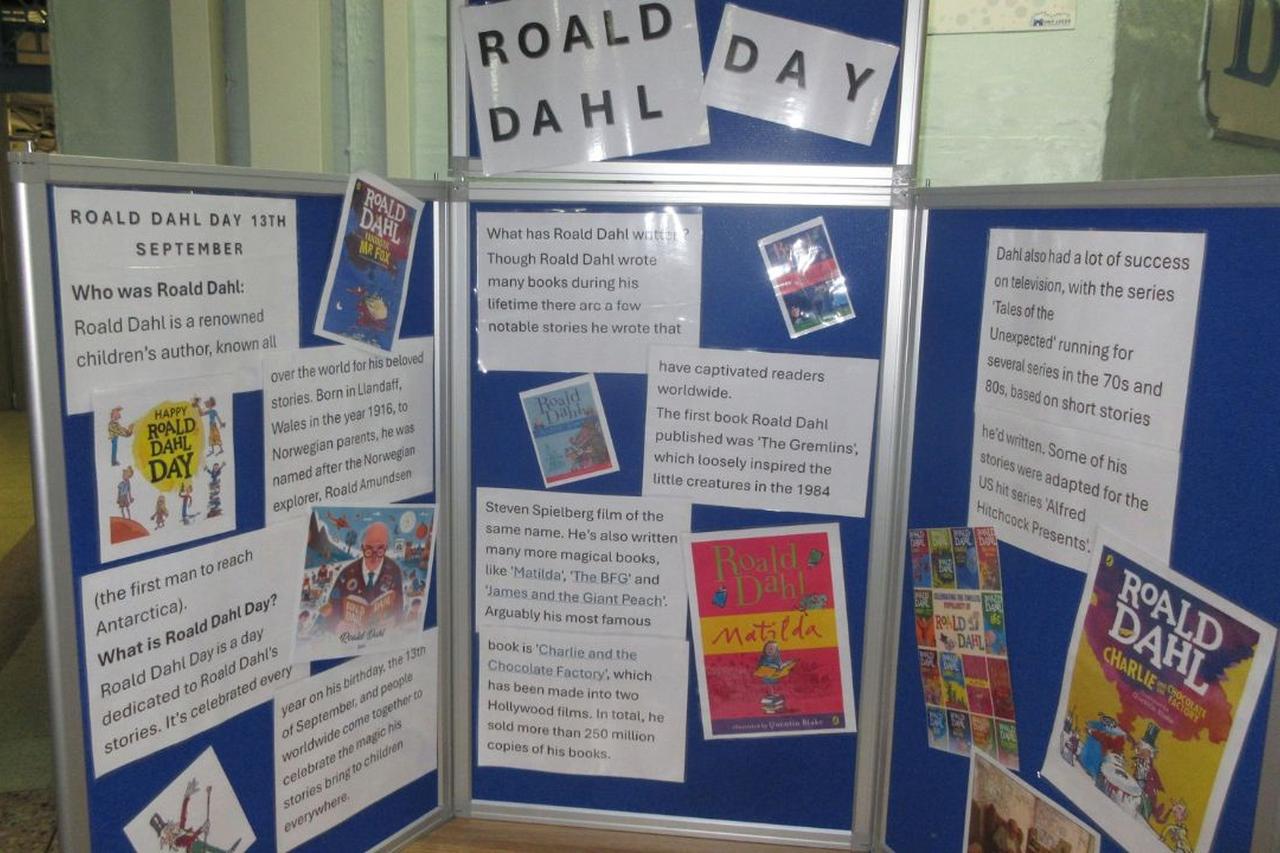
The prison library also created a dedicated Roald Dahl display, showcasing a selection of his books and encouraging learners to borrow titles and explore something new.
Together, these activities helped create multiple opportunities for people to encounter books, talk about reading and discover stories for themselves.
Reading, literacy and lifelong learning
Reading for pleasure has an important role alongside formal prison education.
People do not need to be studying a literacy qualification to benefit from reading. Picking up a novel, short story or other book can provide an opportunity to practise reading skills in a more informal setting, while building confidence and developing a positive relationship with books.
For those who may have had limited opportunities to read in the past, finding a story that captures their interest can be a significant first step towards reading more regularly.
At Novus, we recognise that education in prison is about more than qualifications. Developing skills, confidence and positive habits can support people during their time in custody and contribute to their longer-term goals.
Reading can also help people stay connected with their families. Family-focused reading activities, such as those supported through Visits/Jigsaw at HMP Leeds, can create opportunities for parents and children to share stories and develop positive experiences around books.
Making reading enjoyable
Roald Dahl Day provided a reminder that reading does not always have to feel like learning. Sometimes, the most important thing is simply finding a book that makes someone want to turn the page.
Through Reading for Pleasure Groups, library activities, reading events and collaborative initiatives with partners, Novus continues to support opportunities for people in prison to discover books, develop their reading skills and experience the enjoyment that literature can bring.
Whether it is a much-loved children's classic, a short story, a novel or something completely new, reading can open up new worlds, ideas and experiences.
Celebrating Roald Dahl Day at HMP Leeds was one example of how reading for pleasure can be encouraged across a prison community, helping learners engage with literature in meaningful, enjoyable and sometimes unexpected ways.
Find out more about Novus prison education and how education can support better lives.