Why Creative Learning Plays a Critical Role in Prison Rehabilitation
Arts & Enrichment
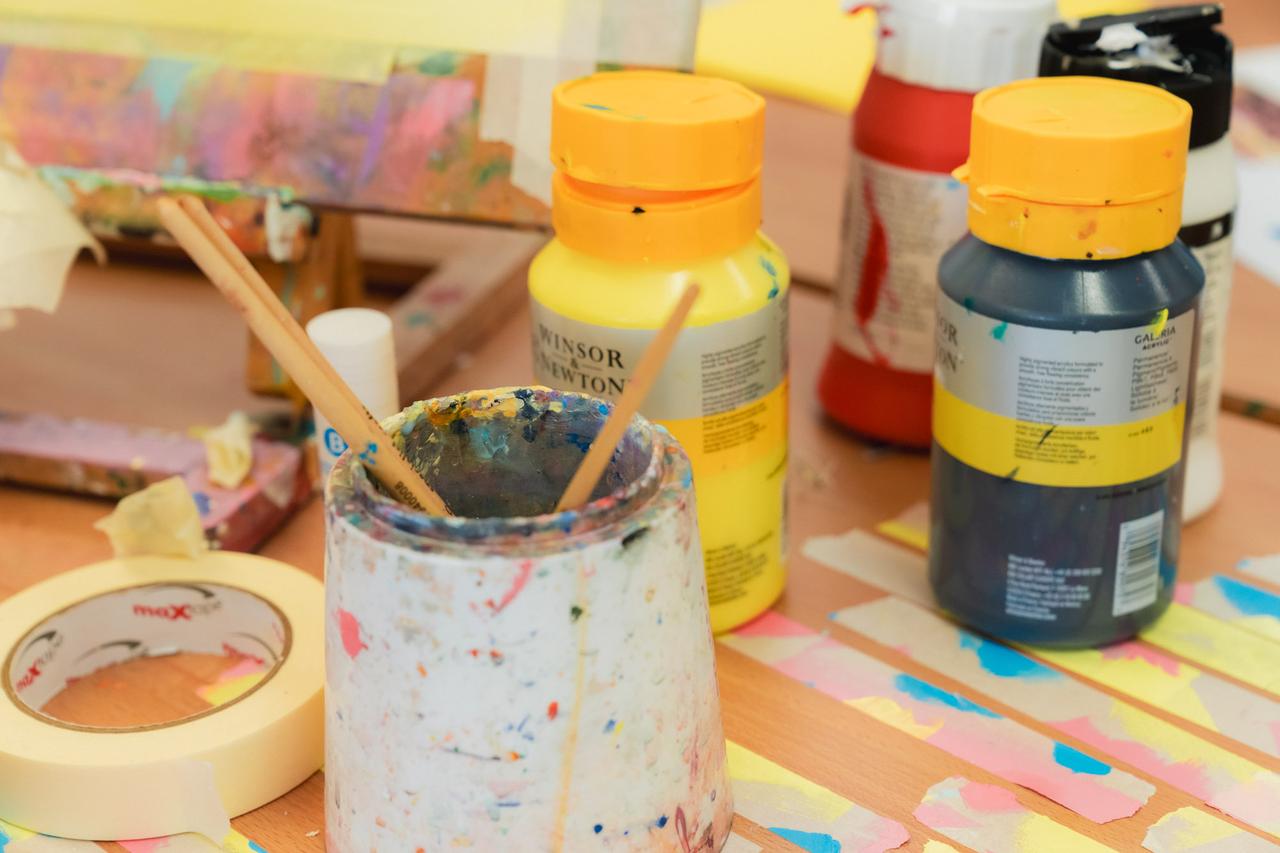
Rehabilitation in prison can often be difficult, especially for learners who face barriers such as trauma, negative past experiences, or low confidence in education. Creative arts programmes in prisons offer a powerful alternative to traditional learning, giving people a hands‑on, expressive way to develop essential skills and emotional resilience.
This blog explores how these creative approaches boost wellbeing, support rehabilitation, and improve engagement with prison learning programmes.
What are creative arts programmes?
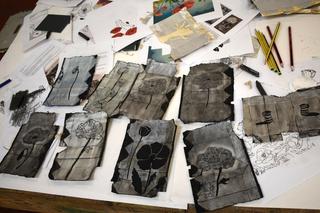
Creative arts programmes give prisoners a safe, supportive space, to express themselves and explore personal growth through drawing, painting, writing and other creative activities. By offering different ways to engage with education and often process difficult emotions, creative enrichment helps individuals to reduce anxiety and build self‑esteem.
These programmes empower learners to develop healthier coping strategies that support their rehabilitation journey.
What are the prison education challenges?
Many prisoners face barriers to education, including illiteracy, difficult past learning experiences, mental health issues and trauma, which can make traditional classrooms feel overwhelming.
By making education more supportive and creative, learning becomes more accessible and easier to engage with. With learners then often able to go on and do maths, English and other functional skills programmes that will really help the to navigate society on release.
Why do creative enrichment programmes work?
Creative enrichment programmes work because they offer a more flexible, expressive alternative to traditional learning. These hands‑on activities help individuals by building confidence and developing a different view of education.
Creative learning becomes a strong first step toward emotional growth and rehabilitation. Studies show clear positive outcomes that prison art programmes work.
Using creative learning to continue learning
By using creative learning, it helps give somebody a powerful jumpstart in their education by offering hands-on, engaging activities that make learning feel more approachable.
This helps grow their attention to leaning and builds confidence in learning. As a result, these courses often increase motivation to pursue further qualifications and develop valuable employment skills for the future.
How Novus helps with creative enrichment
Novus supports creative programmes by delivering hands‑on projects that inspire learners and show the real impact of creative education in prisons.
The Koestler Arts Exhibition
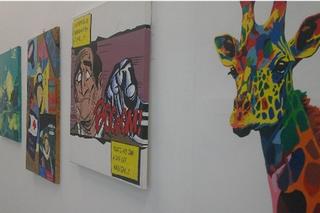
Several Novus sites had learner artwork featured in the Koestler Arts annual exhibition at the Southbank Centre, which showcased around 200 works created by people within the criminal justice system. The exhibition spanned painting, drawing, sculpture, crafts, writing and digital media.
For learners, having their work selected and displayed publicly on a national stage reinforces a sense of achievement and shows them that their creativity has value beyond the classroom. It's a powerful example of how creative learning builds confidence and a positive sense of identity.
The Book Dragon at HMP Wealstun
At HMP Wealstun, Novus partnered with author and Book Dragon founder Kirsty McKay to bring a creative reading initiative to 16 learners. Kirsty shared her own journey from childhood storytelling to self-publishing her debut novel, giving learners an honest look at the dedication involved in becoming a writer.
The session sparked strong participation, with learners actively engaging in activities and asking considered questions. In a prison population where 57% of adults read below the level expected of an 11-year-old, initiatives like this are vital for making literacy feel accessible and inspiring rather than intimidating.
The Bowes Museum "Unheard Voices" Project
Novus learners at HMP Deerbolt collaborated with The Bowes Museum on a creative writing project called "Unheard Voices." Learners worked with writing practitioners to respond creatively to the museum's Kith and Kinship exhibition, producing a zine that offered fresh perspectives on the artwork for museum visitors, families and peers.
The project embedded core English skills within creative activities, helping learners improve their reading and writing in an engaging and non-traditional way. It also gave them a platform to contribute something meaningful to the wider community, fostering a sense of pride, purpose and ownership that supports long-term rehabilitation.
These are just a few examples from across the Novus network. They illustrate how creative enrichment programmes go beyond traditional education to build confidence, develop transferable skills and support learners on their rehabilitation journey.
Creative enrichment programmes in prisons play a powerful role in rehabilitation, helping individuals build confidence, develop emotional resilience and gain skills that support their future.
By opening new ways to learn and express themselves, these programmes contribute to safer communities and improved employability outcomes. As the impact continues to grow, creative learning remains a vital part of supporting positive change and long‑term rehabilitation.
Learn more about how Novus supports and provides creative enrichment to prisoners across the country.