Unlocking Opportunity: Supporting Prison Education, Employment and Training in Yorkshire
Adult Provision Novus Works Partner Vocational
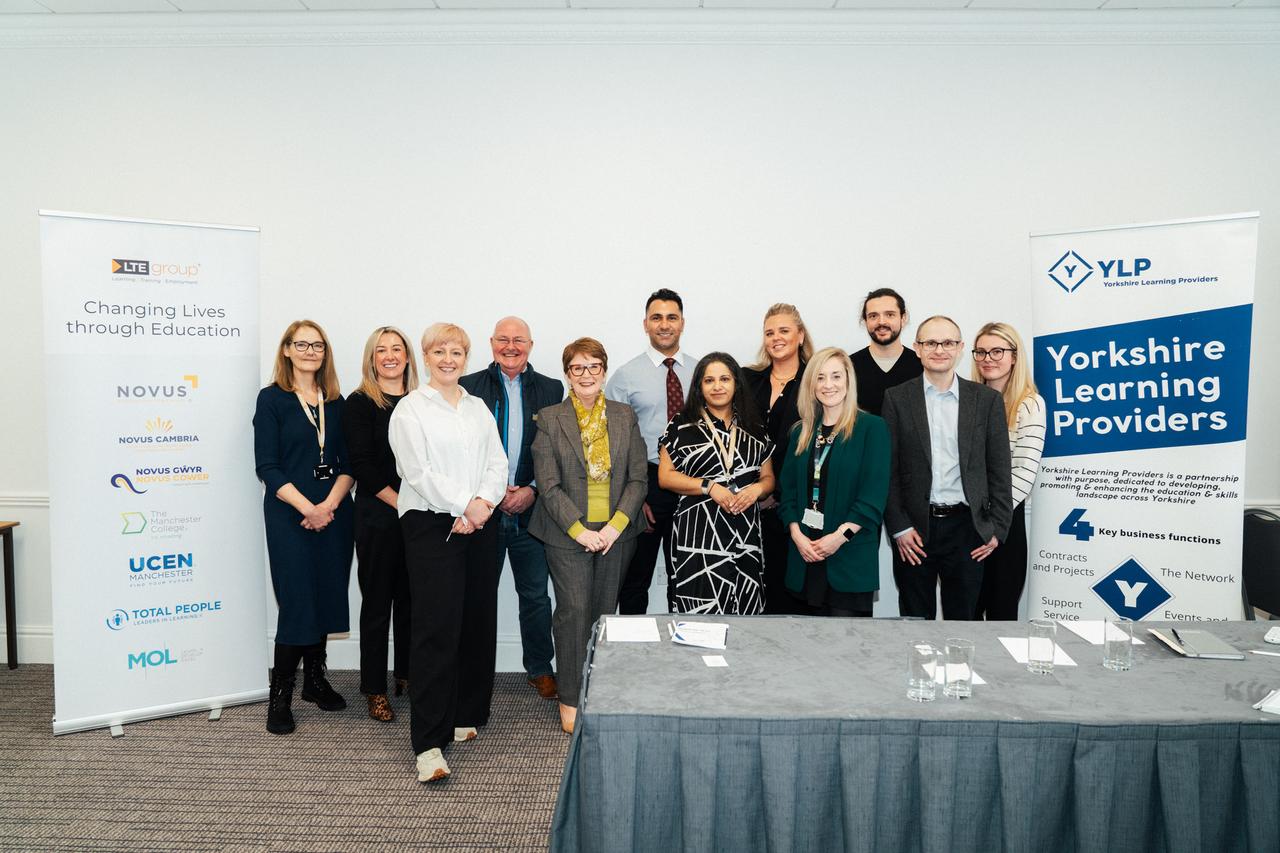
Leaders from across education, employment, business and government came together in Yorkshire for Unlocking Opportunity: Supporting Prison Education, Employment and Training, a collaborative event focused on improving outcomes for people in prison and on release.
Jointly hosted by Novus and Yorkshire Learning Providers, the event explored how partnership working can strengthen prison education, increase access to apprenticeships, and create sustainable employment pathways that reduce reoffending.
A strong start from Alex Miles, CEO at Yorkshire Learning Providers
The day opened with an introduction from Alex Miles, CEO at Yorkshire Learning Providers, who set the tone for a solution-focused discussion. She highlighted the power of collaboration across the Yorkshire region and the vital role that education and skills providers play in supporting rehabilitation and social mobility.
Her message was clear. Unlocking opportunity for prison learners requires joined-up thinking, employer engagement and long-term commitment.
Panel 1: Learning and Skills in Prison and Beyond
The first panel, hosted by LTE Group’s Steve Exley, focused on learning and skills both inside prison and after release.
Panellists included:
- Lesley Clarke, Bid Solutions Director at LTE Group
- Helen Hawxell, Policy and Partnerships Lead at West Yorkshire Combined Authority
- Hannah Jones, Head of Prison Education Policy at the Ministry of Justice
- Steve Cressey, Head of Partnerships at Construction Skills People
The discussion centred on a key question: what can we do to ensure that people leaving prison do not return?
Panellists spoke about the importance of embedding high-quality education and vocational training during custody and maintaining that momentum on release. Apprenticeships were highlighted as a powerful but sometimes misunderstood opportunity. There was strong agreement that perceptions need to shift: apprenticeships are not just for young people and they are not low paid options. For serving prisoners, they can provide a credible route into skilled employment and long-term careers.
Collaboration between prisons, education providers, combined authorities and employers was identified as essential to building clear and realistic progression pathways.
A powerful keynote from Adz Khan
The audience then heard an uplifting and deeply moving keynote from Adz Khan, who shared his lived experience of how prison education transformed his life.
Reflecting on his journey, Adz said:
Trauma shaped the journey in, education shapes the journey out.
He went on to emphasise the life changing impact of learning and meaningful work:
Education shapes identity, employment offers dignity.
His message reinforced the central theme of the event. When we invest in prison education and create genuine employment opportunities, we are not simply filling skills gaps. We are supporting people to rebuild their identity, self-respect and confidence.
Panel 2: Employment and Skills to Support Rehabilitation
The second panel shifted the focus to employment, employer engagement and the critical period after release.
Panellists included:
- Will Atwood, Senior Partnership Manager at the Department for Work and Pensions
- Ceri Rush-Jones, Strategic Engagement Manager at the Construction Industry Training Board (CITB)
- Lynne Kennedy, Social Mobility Manager at Greene King
- Amina Bodhania, Head of Partnerships and Business Improvement at LTE Group
- Emily Whitehead, Prison Employment Lead at HMP Lindholme
A key statistic shared during the session underlined the urgency of this work. Prison leavers have a 13 percent higher chance of reoffending if they are not employed within six months of release. That six-month window is critical.
Panellists discussed the need for seamless transitions from custody into work, with clear communication between prisons, providers, employers and support services being essential.
Greene King shared the success of its Releasing Potential programme, demonstrating how senior leadership buy in and a supportive culture can deliver meaningful social impact. Attendees also watched a video showcasing a former Novus learner who became the first ever prison apprentice at Greene King to complete their apprenticeship, a powerful example of what is possible when barriers are removed.
The Construction Industry Training Board (CITB) highlighted the opportunity to connect prison learners with the construction sector, offering the potential to address national skills shortages while offering stable, skilled employment to those leaving prison. Strengthening mechanisms that link prisons with a wider range of employers was identified as a priority.
Building a collaborative future for prison education and employment in Yorkshire
Across both panels, a consistent theme emerged. No single organisation can tackle reoffending alone. Real impact comes from partnership, shared accountability and practical action.
The session closed on a positive and energised note, with attendees completing pledge postcards outlining the actions they will take to support prison education, employment and training across Yorkshire. From offering work placements and apprenticeships to strengthening referral pathways and advocating for policy change, the commitment in the room was clear.
We look forward to seeing the outcomes that grow from these pledges and the difference they will make for learners, employers and communities across the region.
Thank you to Yorkshire Learning Providers for jointly hosting, to all our panellists and speakers for their insight and honesty, and to everyone who attended and contributed to such an impactful day.
If you would like to find out more about Novus prison education programmes, employer partnerships or apprenticeship opportunities, please get in touch with our team. Together, we can continue unlocking opportunity and supporting rehabilitation through education and employment.