Prison education supports active citizenship at HMP Preston
Adult Provision Arts & Enrichment Partner
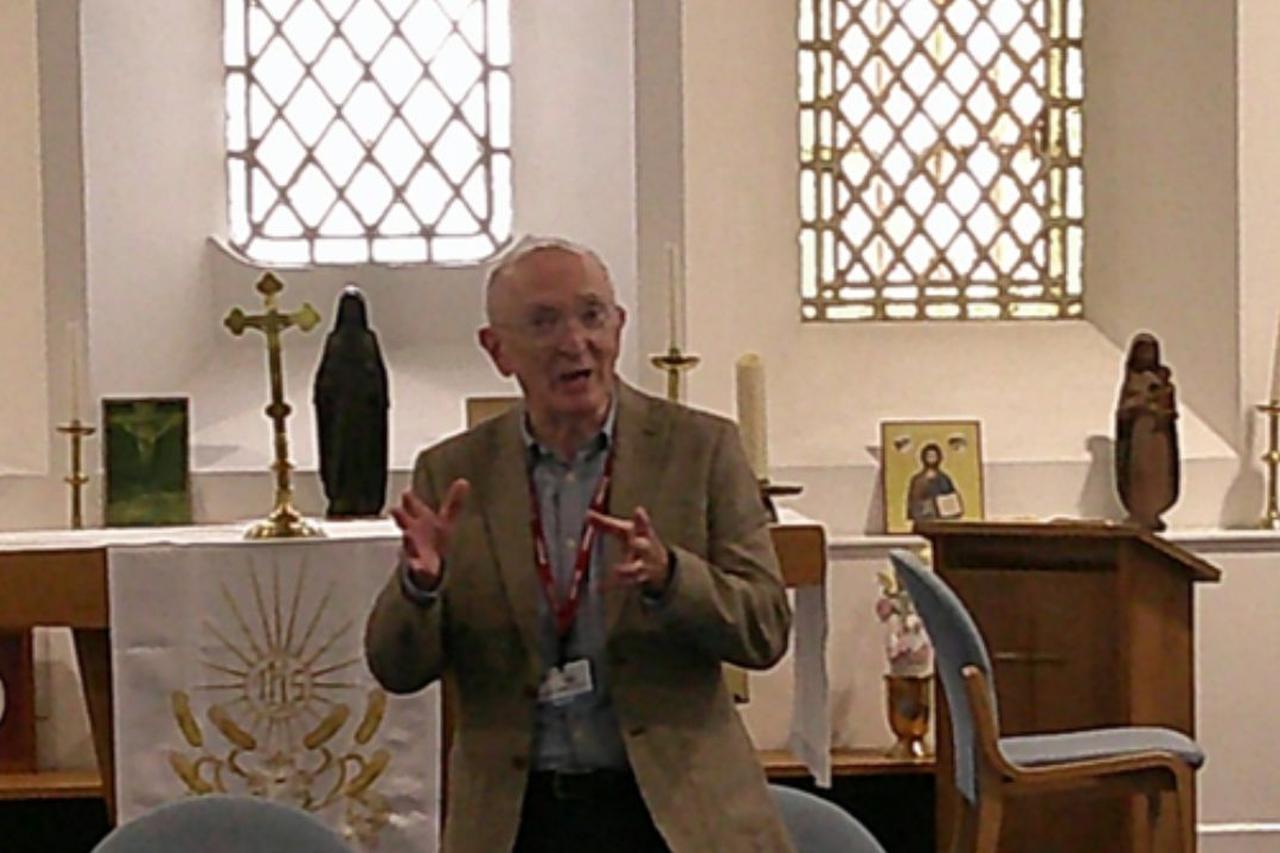
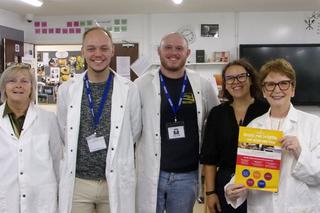
Learners at HMP Preston recently took part in a democracy session with Paul Davies MP, exploring a topical issue through debate and discussion before taking part in a formal vote.
The session was led by HMP Preston, with support from Novus, and provided an opportunity for learners to develop their communication and critical thinking skills while learning more about democracy, active citizenship and the role of Parliament.
The debate focused on whether National Service could be used as an alternative to custodial sentences for certain offenders. Learners considered a range of perspectives, discussing the potential benefits of discipline, structure and responsibility, alongside questions about whether people convicted of violent offences should have access to military training and equipment.
Developing confidence through debate
The discussion was respectful, constructive and engaging, with learners listening carefully to different viewpoints and responding thoughtfully to the arguments put forward.
When two speakers on the proposition side were unable to continue, two other learners volunteered to step forward and take their places, encouraged and supported by their peers. It was a positive demonstration of the confidence, teamwork and willingness to participate that can be developed through opportunities to debate and express different views.
Learners also drew on their own experiences and knowledge to explore the subject from different perspectives. Two participants with previous military experience were able to contribute their insights, adding further depth to the discussion.
The learner taking on the role of Speaker also helped create an authentic parliamentary atmosphere, managing the debate and maintaining order throughout the session. Afterwards, he spoke positively about the experience and how much he had enjoyed taking part.
The session concluded with a formal vote, allowing learners to experience a democratic process first-hand. The majority of participants voted in favour of the motion.
The role of prison education
Prison education plays an important role in helping learners develop the knowledge, skills and confidence they need for life beyond custody.
While qualifications are an important part of prison education, opportunities such as this can also support communication, critical thinking, confidence and the ability to listen to and respect different perspectives.
The democracy session gave learners the opportunity to explore a contemporary issue, question assumptions, consider different arguments and participate in a structured democratic process. It also supported learning around democracy, mutual respect, individual liberty and the rule of law.
For Novus, supporting opportunities that connect education with wider personal development and rehabilitation is an important part of our work in prisons.
Connecting learners with democracy
We would like to thank Paul Davies MP for taking the time to visit HMP Preston and engage with learners, and HMP Preston for leading the session.
It was particularly encouraging to see an MP engaging directly with learners and recognising the importance of prison education in supporting personal development, rehabilitation and informed citizenship.
The positive response from learners, including requests for more opportunities of this kind, demonstrates the value of creating space for meaningful discussion and debate within prison education.
At Novus, we see education as a catalyst for rehabilitation. By developing confidence, communication and critical thinking skills, prison education can help learners prepare for their future and make positive contributions to their communities.
For more information on wider prison education projects, visit our Novus news section.